Blog
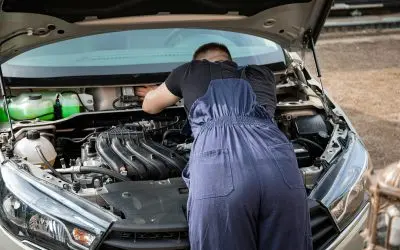
Car Won’t Go Over 40 MPH Due to Limp Mode or Sensor Failure
You press the gas pedal, the engine revs a little, but the car just won’t go faster. No matter how hard you try, it feels stuck around 30 or 40 miles per hour. This situation can be scary, especially if it happens on a busy road. In most cases, this problem is linked...
Car AC Only Cold on Passenger Side and Uneven Cabin Cooling Explained
You start the car on a hot day. The AC kicks on. Cold air hits the passenger seat, but the driver side feels weak, warm, or barely cool. You turn knobs, change modes, raise the fan speed, yet the problem stays. This uneven cabin cooling confuses many drivers and...
Symptoms of Low Transmission Fluid and How They Affect Gear Shifting
Your car's transmission is a critical component that helps your engine transfer power to the wheels. Without proper fluid levels, your transmission can face serious issues. One of the most common problems is low transmission fluid, which can significantly affect gear...
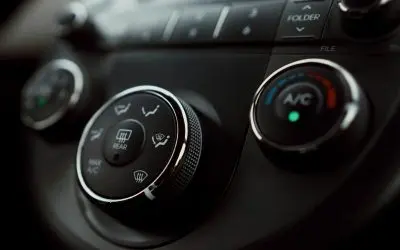
Delayed Cooling Explained Why Car AC Starts Working After Warm-Up
You start your car, turn on the air conditioner, and… nothing. Warm air blows from the vents. After driving for 5, 10, or even 15 minutes, suddenly the AC starts cooling like normal. This frustrating problem is more common than many drivers think, and it’s a warning...
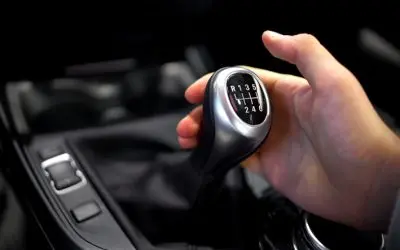
Car Jerks When Shifting Gears and What It Says About the Transmission
Car jerking while shifting usually means the transmission (or clutch system) isn’t transferring power smoothly. It often starts with something simple—like low or dirty transmission fluid—but it can also point to failing components like solenoids, a valve body issue, a torque converter problem, or (in manuals) a worn clutch. This post breaks down the most common causes, what each one feels like, and when it’s time to get a professional diagnosis before the problem becomes a major transmission repair.
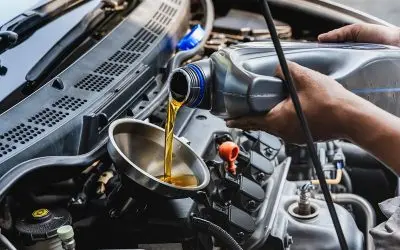
Long Term Damage Explained by What Happens If You Skip an Oil Change
Skipping oil changes lets engine oil break down into dirty, thick sludge that can’t lubricate or cool properly—raising friction, heat, and internal wear fast. Over time, this leads to reduced fuel economy, overheating, and potentially catastrophic damage like engine seizure, plus it can jeopardize warranty coverage. Regular oil changes are a small cost that prevents major repairs.
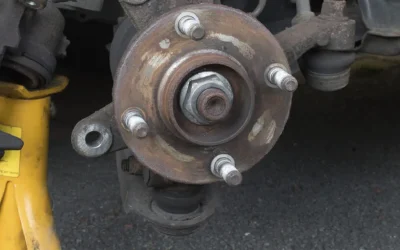
Symptoms of a Bad Wheel Bearing That Get Worse With Speed
Failing wheel bearings often start with a faint hum, then turn into growling noise, steering vibration, pulling, and even wheel wobble—especially at higher speeds as heat and friction build. This post breaks down the key symptoms that worsen as you accelerate and explains why prompt inspection and replacement is critical to avoid dangerous bearing failure.
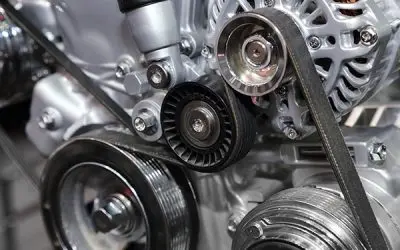
Diagnosing a Bad Serpentine Belt Tensioner and How to Fix It
A failing serpentine belt tensioner can cause belt slip, squealing, and accessory issues like weak power steering or charging problems. This guide explains the most common symptoms, how to confirm tensioner failure (pulley movement, belt wear, noise testing), and the basic replacement steps to restore proper belt tension and prevent breakdowns.
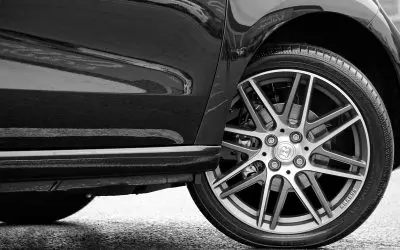
Nitrogen in tires: is it worth the cost
Is nitrogen in tires worth it? Discover the pros and cons of nitrogen vs. regular air, including cost, benefits, and when nitrogen inflation makes sense.
Causes of knocking sound in engine while idling and how to fix it
Hearing a knocking sound while idling? Learn the common causes—like bad fuel, worn spark plugs, or low oil pressure—and how to fix engine knocking fast.