News & Media
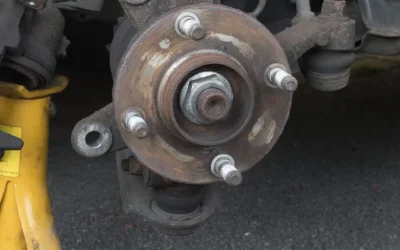
Symptoms of a Bad Wheel Bearing That Get Worse With Speed
Failing wheel bearings often start with a faint hum, then turn into growling noise, steering vibration, pulling, and even wheel wobble—especially at higher speeds as heat and friction build. This post breaks down the key symptoms that worsen as you accelerate and explains why prompt inspection and replacement is critical to avoid dangerous bearing failure.

Diagnosing a Bad Serpentine Belt Tensioner and How to Fix It
A failing serpentine belt tensioner can cause belt slip, squealing, and accessory issues like weak power steering or charging problems. This guide explains the most common symptoms, how to confirm tensioner failure (pulley movement, belt wear, noise testing), and the basic replacement steps to restore proper belt tension and prevent breakdowns.
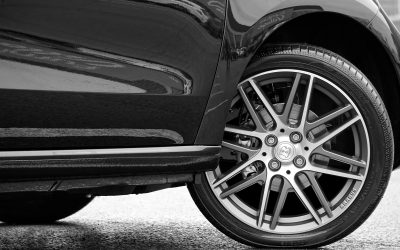
Nitrogen in tires: is it worth the cost
Is nitrogen in tires worth it? Discover the pros and cons of nitrogen vs. regular air, including cost, benefits, and when nitrogen inflation makes sense.
Causes of knocking sound in engine while idling and how to fix it
Hearing a knocking sound while idling? Learn the common causes—like bad fuel, worn spark plugs, or low oil pressure—and how to fix engine knocking fast.

How to Handle a Car Overheating in the Middle of Nowhere
Picture this: You’re driving down a long, empty road, no towns in sight, and your favorite song is playing. Suddenly, you notice smoke or steam coming from under the hood. Your temperature gauge spikes into the danger zone. Your car is overheating — and you're stuck...
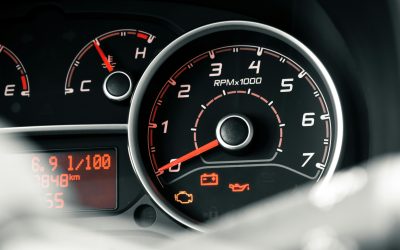
O2 Sensors Explained How to Know How Many You Have
Wondering how many O2 sensors your car has? Learn what oxygen sensors do, where they’re located, how many you need, and signs it’s time for replacement.
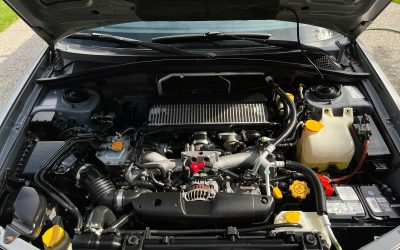
Car Maintenance Timing How Long Does a Coolant Flush Take
Wondering how long a coolant flush takes? Learn why it’s important, average time (30–60 minutes), cost, and benefits for preventing engine overheating.
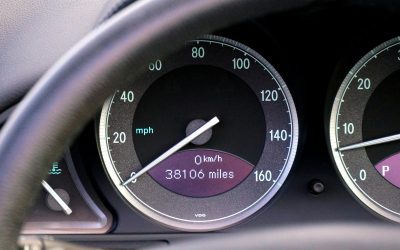
Resolving Acceleration Shudder in Cars
Acceleration shudder can turn a smooth drive into a jarring experience, often signaling issues with components like engine mounts, unbalanced tires, or even the transmission and driveshaft. By regularly inspecting tire conditions, engine mounts, and drivetrain components, and addressing any vibrations early, you can restore comfort and performance to your vehicle before minor issues escalate into costly repairs.
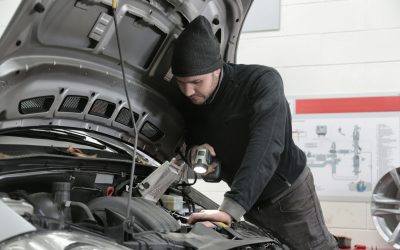
Understanding What is a Car Tune-Up and Why Your Vehicle Needs It
A car tune-up is like a check-up for your engine, ensuring everything runs smoothly and efficiently. By inspecting and replacing components like spark plugs, filters, fluids, and belts, a tune-up can boost performance, improve fuel economy, and prevent costly repairs—making it a key part of your vehicle’s long-term health.
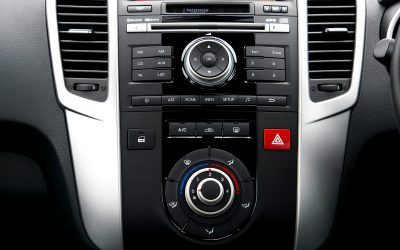
Diagnosing Gas Smell in Your Car When the AC Is On
If your car smells like gas when the AC is on, it could point to issues like a fuel leak, exhaust problems, or a faulty gas cap. This guide explains common causes, how to diagnose them, and what steps to take to fix the issue—ensuring your safety and restoring a clean, odor-free ride.